

As a supplier of SMT Automatic Conveyors, I often receive inquiries about the minimum conveyor speed of our products. In this blog, I'll delve into this topic, exploring the factors that influence the minimum conveyor speed and its significance in the SMT (Surface Mount Technology) production process.
Understanding the Basics of SMT Automatic Conveyors
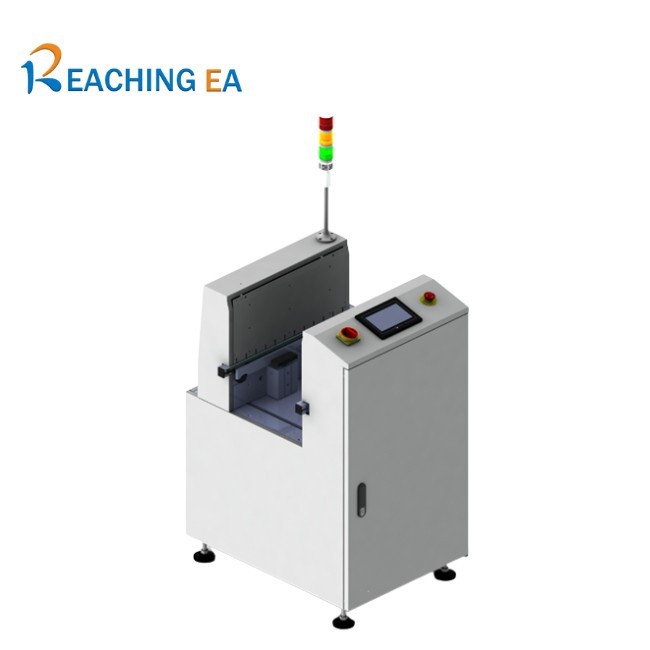
SMT Automatic Conveyors play a crucial role in the SMT production line. They are responsible for transporting printed circuit boards (PCBs) from one processing station to another, ensuring a smooth and efficient manufacturing process. These conveyors are designed to work in harmony with other SMT equipment, such as SMT Destacker and SMT Shutter Conveyor, to optimize the overall production efficiency.
Factors Affecting the Minimum Conveyor Speed
The minimum conveyor speed is not a fixed value but is influenced by several factors. Let's take a closer look at these factors:
1. PCB Size and Weight
The size and weight of the PCBs being transported have a significant impact on the minimum conveyor speed. Larger and heavier PCBs require more time to be moved along the conveyor, as they need to be handled with care to avoid damage. For example, a large - sized PCB with multiple components may need a slower speed to ensure stable transportation and prevent components from shifting or falling off.
2. Component Placement Requirements
In the SMT process, components need to be accurately placed on the PCBs. The conveyor speed must be adjusted to match the component placement speed of the pick - and - place machines. If the conveyor moves too fast, the pick - and - place machines may not have enough time to place the components accurately. On the other hand, if the speed is too slow, it can lead to a bottleneck in the production line, reducing overall efficiency.
3. Conveyor Design and Construction
The design and construction of the SMT Automatic Conveyor also affect the minimum speed. Factors such as the type of belt, the quality of the motor, and the precision of the drive system can all influence how slow the conveyor can operate. A well - designed conveyor with high - quality components can achieve a lower minimum speed while maintaining smooth and stable operation.
4. Production Line Configuration
The overall configuration of the SMT production line, including the number and type of processing stations, can impact the minimum conveyor speed. If there are multiple stations that require precise alignment and interaction with the PCBs, the conveyor speed may need to be adjusted accordingly. For instance, if there is a vision inspection station that requires a certain amount of time to analyze the PCBs, the conveyor speed will need to be slow enough to allow for accurate inspection.
Determining the Minimum Conveyor Speed
To determine the minimum conveyor speed for a specific SMT production line, a comprehensive analysis of the above - mentioned factors is necessary. Here are the general steps:

1. Analyze the PCB Specifications
First, understand the size, weight, and component layout of the PCBs that will be transported on the conveyor. This information will help in estimating the time required for safe and accurate transportation.
2. Evaluate the Component Placement Process
Work with the pick - and - place machine manufacturers to determine the optimal speed for component placement. This will give an idea of the maximum speed at which the conveyor can operate while still allowing for accurate component placement.
3. Consider the Conveyor's Capabilities
Review the technical specifications of the SMT Automatic Conveyor to understand its minimum speed range. This information is usually provided by the conveyor manufacturer and can serve as a starting point for further adjustments.
4. Conduct Test Runs
Once the initial speed is estimated, conduct test runs on the production line. Monitor the performance of the conveyor and other equipment, and make adjustments as needed based on the results. This iterative process will help in fine - tuning the minimum conveyor speed to achieve the best production efficiency.
Significance of the Minimum Conveyor Speed
The minimum conveyor speed is of great significance in the SMT production process. Here are some of the key benefits:
1. Quality Assurance
A proper minimum conveyor speed ensures that components are placed accurately on the PCBs, reducing the risk of defects. When the conveyor moves at an appropriate speed, the pick - and - place machines have enough time to position the components precisely, resulting in higher - quality products.
2. Production Efficiency
By optimizing the minimum conveyor speed, the overall production efficiency can be improved. A well - adjusted speed can prevent bottlenecks in the production line, allowing for a continuous and smooth flow of PCBs through the various processing stations.
3. Equipment Protection
Running the conveyor at an appropriate minimum speed can also protect the equipment. If the speed is too high, it can put excessive stress on the conveyor belts, motors, and other components, leading to premature wear and tear. On the other hand, a slow and stable speed can extend the lifespan of the equipment.
Contact for Purchase and Consultation
If you are interested in our SMT Automatic Conveyors or have any questions about the minimum conveyor speed, we are here to help. Our team of experts can provide you with detailed information, conduct on - site consultations, and assist you in finding the best solution for your SMT production line. Whether you are setting up a new production line or looking to upgrade your existing one, we have the products and expertise to meet your needs.
References
- Smith, J. (2020). Surface Mount Technology: Principles and Practice. Publisher Name.
- Brown, A. (2019). Conveyor Systems in Manufacturing: Design and Optimization. Another Publisher.