

Integrating an SMT PCB Magazine Unloader with other SMT equipment is a crucial step in optimizing the surface - mount technology (SMT) production line. As a supplier of SMT PCB Magazine Unloaders, I understand the significance of seamless integration for enhancing efficiency, reducing downtime, and improving overall productivity. In this blog, I will share some insights on how to achieve this integration effectively.
Understanding the Role of SMT PCB Magazine Unloader
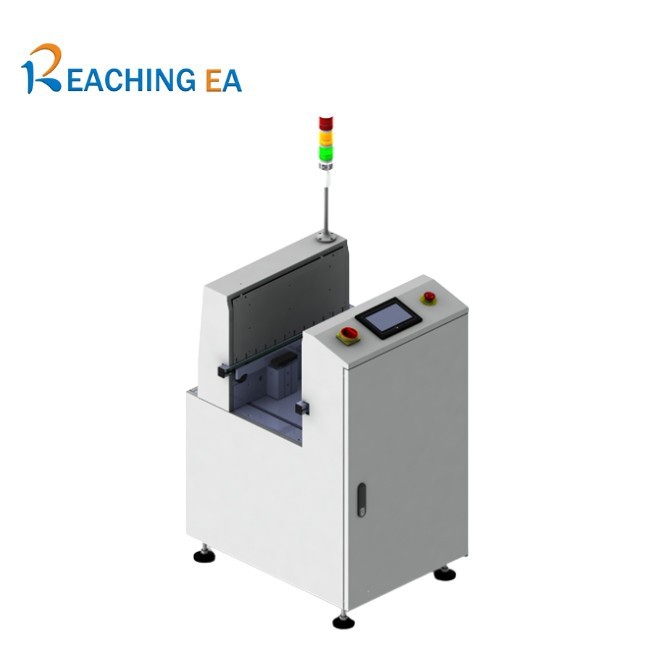
Before delving into the integration process, it's essential to understand the function of an SMT PCB Magazine Unloader. This equipment is designed to unload printed circuit boards (PCBs) from magazines and transfer them to the next stage of the production line. It plays a vital role in automating the PCB handling process, ensuring a continuous flow of boards through the SMT line.
Key Considerations for Integration
Compatibility
The first and foremost consideration is the compatibility of the SMT PCB Magazine Unloader with other SMT equipment. This includes checking the physical dimensions, conveyor height, and interface requirements. For example, the conveyor height of the unloader should match that of the adjacent equipment to ensure smooth PCB transfer. Additionally, the communication protocols between the unloader and other machines need to be compatible. Most modern SMT equipment uses standard protocols such as Ethernet/IP or Profibus, which simplifies the integration process.
Workflow Design
A well - designed workflow is essential for seamless integration. The SMT PCB Magazine Unloader should be positioned in the production line in a way that minimizes the distance and time required for PCB transfer. For instance, if the unloader is placed too far from the pick - and - place machine, it can lead to increased cycle times and potential bottlenecks. Analyzing the overall production process and determining the optimal location for the unloader is crucial.
Safety Features
Safety is a top priority in any manufacturing environment. When integrating the SMT PCB Magazine Unloader with other equipment, it's important to ensure that all safety features are properly configured and integrated. This includes emergency stop buttons, safety sensors, and guarding. For example, if the unloader is integrated with a SMT 90 Degree Turning Conveyor, both machines should be equipped with safety interlocks to prevent any accidents during operation.
Integration with Specific SMT Equipment
SMT Destacker
Integrating the SMT PCB Magazine Unloader with an SMT Destacker can significantly improve the efficiency of the PCB handling process. The destacker is responsible for separating individual PCBs from a stack, and the unloader can then transfer these boards to the next stage. To integrate these two machines, the conveyor systems of the unloader and the destacker need to be aligned properly. The control systems of both machines should also be synchronized to ensure a smooth transfer of PCBs. For example, the destacker can signal the unloader when a new PCB is ready for transfer, and the unloader can then initiate the transfer process.
SMT Automatic Conveyor
The SMT Automatic Conveyor is another important piece of equipment in the SMT production line. Integrating the SMT PCB Magazine Unloader with the automatic conveyor allows for continuous PCB transfer between different stages of the production process. The conveyor speed and direction need to be coordinated with the unloader to ensure that PCBs are transferred smoothly. Additionally, the conveyor should be able to handle the volume of PCBs unloaded by the unloader without causing any congestion.
Step - by - Step Integration Process
Planning
The first step in the integration process is to create a detailed plan. This includes identifying the specific SMT equipment that needs to be integrated with the SMT PCB Magazine Unloader, determining the layout of the production line, and setting up a timeline for the integration project. It's also important to involve all relevant stakeholders, such as production managers, engineers, and operators, in the planning process to ensure that everyone's requirements are considered.

Installation
Once the plan is in place, the next step is to install the SMT PCB Magazine Unloader and other equipment. This involves positioning the machines according to the planned layout, connecting the conveyor systems, and wiring the electrical and control systems. During the installation process, it's important to follow the manufacturer's instructions carefully to ensure proper installation and alignment.
Configuration and Testing
After the installation is complete, the next step is to configure the equipment and conduct testing. This includes setting up the communication protocols between the unloader and other machines, adjusting the conveyor speeds and heights, and testing the safety features. It's important to perform thorough testing to ensure that the integrated system operates smoothly and without any issues. Any problems or errors should be identified and resolved during this stage.
Training
Once the system is up and running, it's important to provide training to the operators. This includes training on how to operate the SMT PCB Magazine Unloader and other integrated equipment, as well as how to troubleshoot common problems. Proper training ensures that the operators can use the equipment effectively and safely, which helps to maximize productivity and minimize downtime.
Benefits of Integration
Integrating an SMT PCB Magazine Unloader with other SMT equipment offers several benefits. Firstly, it improves the overall efficiency of the production line by reducing the time and effort required for PCB handling. This leads to increased throughput and higher productivity. Secondly, it enhances the quality of the production process by minimizing the risk of human error. The automated transfer of PCBs between different machines ensures consistent and accurate handling. Finally, it reduces the labor cost associated with manual PCB handling, making the production process more cost - effective.
Conclusion
Integrating an SMT PCB Magazine Unloader with other SMT equipment is a complex but rewarding process. By considering factors such as compatibility, workflow design, and safety features, and following a systematic integration process, manufacturers can achieve seamless integration and reap the benefits of increased efficiency, productivity, and quality. If you are interested in integrating our SMT PCB Magazine Unloader with your existing SMT equipment or are looking to set up a new SMT production line, we would be more than happy to discuss your requirements and provide you with a customized solution. Contact us to start the procurement and negotiation process, and let's work together to optimize your SMT production line.
References
- Smith, J. (2019). Surface Mount Technology: Principles and Practice. Wiley.
- Jones, A. (2020). Automation in SMT Production Lines. Springer.